
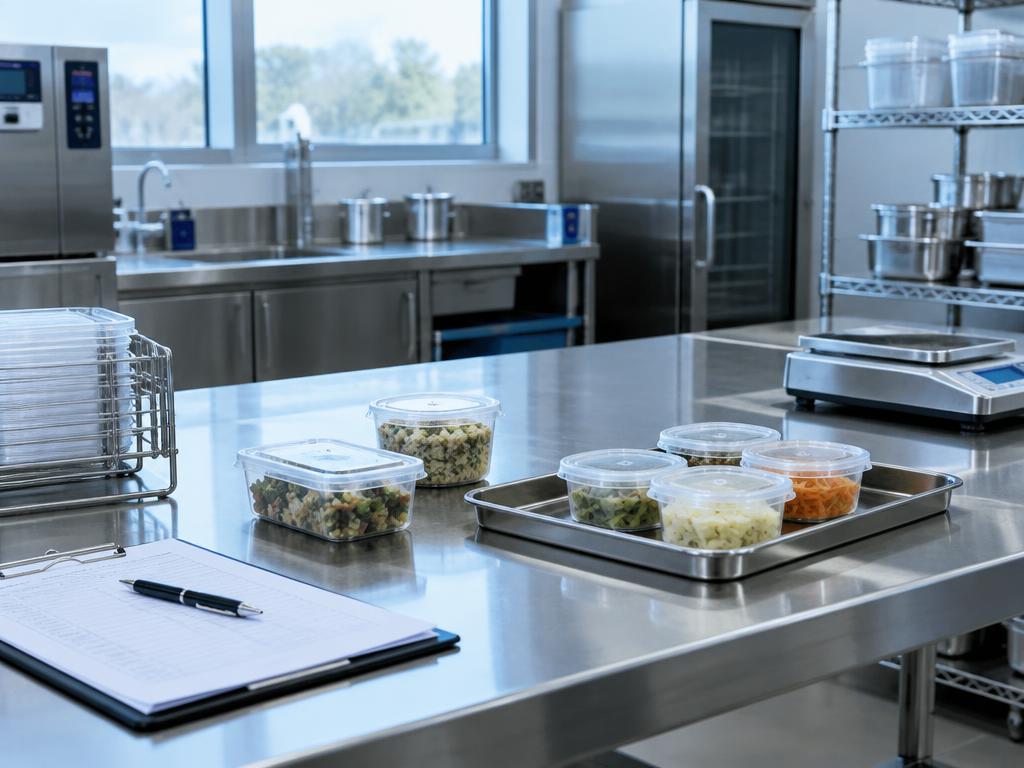
The hospitality industry in New South Wales (ie. restaurants, cafés, bars, pubs and bakeries) operates in one of the most highly regulated areas of consumer protection: food safety.
Every day, hundreds of thousands of customers consume food prepared, delivered and stored across NSW. For many businesses, compliance with food safety standards is simply part of the routine of good operations. However, when something goes wrong, it can go very wrong.
The Food Act 2003 (NSW) (Food Act) is the primary legislative framework governing the safety and suitability of food sold in NSW. It works together with the Australia New Zealand Food Standards Code (Food Standards Code) to impose obligations on food businesses. These obligations are not merely theoretical; they exist to prevent illness, ensure transparency and maintain public confidence in the food supply chain.
Recent regulatory action in NSW shows how quickly a seemingly innocuous oversight can escalate into a major legal, financial and reputational crisis. In one well-publicised incident in the Wollongong region, two patrons were served margaritas with rims dressed in what was believed to be salt but was in fact contaminated with a caustic cleaning agent. The women sustained chemical burns to their mouths and throats and required immediate hospital treatment.
This incident highlights, in unequivocal terms, that food and beverage safety extends far beyond the basics of hygiene or correct labelling. It requires strict control over all aspects of handling, storage, preparation and service. When procedures are not followed precisely, the consequences can be immediate and severe, both for customers and for the business involved.
For hospitality operators, the message is clear: food safety compliance is not a box-ticking exercise. It is a core business function and failures can expose businesses to criminal prosecution under the Food Act, significant financial penalties, civil liability and long-lasting reputational harm.
The NSW Food Authority operating within the Department of Primary Industries has extensive powers to investigate, prosecute and publicly report breaches, including through its "Name and Shame" register.
This register publishes details of offences and penalties. Once a business appears on that register, the reputational consequences can be immediate, widespread and difficult to reverse.
The purpose and structure of the Food Act 2003 (NSW)
The Food Act aims to protect public health by ensuring that food sold in NSW is safe and properly described. It establishes offences relating to the handling, sale, packaging, storage and labelling of food. It also empowers the NSW Food Authority to investigate, require recalls, issue penalties and prosecute businesses that fail to comply.
For hospitality businesses, the Food Act achieves two primary objectives:
- Ensuring food safety: preventing food from becoming unsafe, contaminated or hazardous.
- Ensuring consumers are not misled: requiring accurate labelling, descriptions and representations about food.
Even operators who do not manufacture food, such as restaurants or cafés, are captured by the legislation. The definition of a "food business" includes anyone who handles food intended for sale.
Misleading Conduct, Packaging and Labelling Offences – Section 21
Section 21 of the Food Act makes it an offence to package or label food in a way that contravenes the Food Standards Code; or sell food that is packaged or labelled in a manner that contravenes the Food Standards Code.
The Food Standards Code requires correct storage statements; accurate "use-by" and "best before" labelling; proper allergen declarations; accurate ingredient lists; truthful marketing or nutrition claims; and correct handling or preparation directions where needed for safety.
A mislabelled product, particularly one involving temperature control or allergens can create a real risk of harm. Even when a business has strong hygiene standards, a single oversight in packaging or labelling can trigger significant regulatory action.
Why the Hospitality Sector Is Particularly Exposed
Hospitality businesses face unique risk factors:
- Fast-paced environments: high staff turnover, time pressures and the nature of service environments increase the likelihood of errors.
- Mixed operations: many venues produce both dine-in meals and packaged retail items, subjecting them to overlapping regulatory requirements.
- Allergen and dietary demand: with rising consumer sensitivity to allergens, gluten-free diets, vegan options and "health-focused" products, the risk tied to misdescriptions is increasing.
- Supply chain complexity: hospitality businesses often rely on third-party suppliers. Even with good internal controls, using a mislabelled or improperly stored product from a supplier can lead to liability if served to customers.
Food safety incidents spread quickly via social media, resulting in reputational and commercial damage even before regulatory action occurs.
Regulatory Powers, Investigations and Recalls
The NSW Food Authority exercises broad statutory powers under the Food Act, including unannounced inspections, compulsory recalls, public warnings, improvement and prohibition notices and the ability to pursue prosecutions in the Local Court or the summary jurisdiction of the Supreme Court of NSW.
Liability may arise even where the breach was inadvertent, caused by an individual staff member or occurred despite otherwise strong hygiene systems. Prosecutions can proceed regardless of whether any consumer harm eventuated. These powers reflect the Authority's core mandate: to safeguard public health and to deter non-compliance across the food and hospitality sector.
A business can be prosecuted even where the mistake was unintentional; the error was made by a staff member; the business otherwise maintained good hygiene systems; and no consumer was harmed (although harm significantly increases penalties).
The overarching focus is on public protection and deterrence.
Sentencing principles
Where a business is prosecuted, the court will consider:
- aggravating factors such as substantial harm or illness; disregard for public safety; obvious or foreseeable risks; failure to maintain appropriate systems; and repeated or ongoing non-compliance; and
- mitigating factors such as a clean compliance history; cooperation with regulators; prompt recall or corrective steps; early guilty plea; evidence of remorse and contrition; and systemic improvements after the incident.
Courts may also apply the principle of totality, reducing penalties where multiple charges arise from the same course of conduct.
Maximum penalties
As of 1 July 2023, maximum penalties under the Food Act are calculated at $110 per penalty unit – the most serious offences including the handling or sale of unsafe food can carry a maximum of 5,000 penalty units for a corporation. This equates to a maximum penalty of $550,000 per charge.
Multiple charges can be laid arising from the same incident or course of conduct which has the scope to significantly increase a business's overall exposure.
Importantly, the fine itself is rarely the most damaging consequence. For hospitality operators, the real commercial risk comes from the combined impact of prosecution costs, compulsory recalls, adverse media attention, inclusion on the Name and Shame register, loss of customer confidence and potential civil claims.
A single incident can undo years of goodwill and place a venue's reputation and ongoing viability in jeopardy.
For businesses operating in a fast-paced and high-turnover environment, these risks are not theoretical. Proactive legal advice, well-structured compliance systems and swift incident management can make the difference between a contained issue and a serious regulatory event.
GopherWood Lawyers assists hospitality operators in navigating their obligations, strengthening compliance frameworks and responding effectively when issues arise.
Key Takeaways
Food safety compliance is one of the most significant operational risks facing hospitality businesses in NSW. Even a seemingly minor lapse in labelling, storage, handling or staff oversight can result in criminal prosecution, substantial financial penalties and reputational harm that may be difficult to reverse. The regulatory landscape is unforgiving and consequences of non-compliance can extend far beyond the immediate incident.
The NSW Food Authority actively enforces these obligations through unannounced inspections, mandatory recalls, public warnings and the Name and Shame register. Once a business appears on that register, the impact on customer trust, bookings and brand reputation can be immediate and severe. In an industry where margins are tight and public confidence is essential; the fallout can be commercially devastating.
For hospitality operators, comprehensive compliance systems, rigorous staff training and rapid incident response protocols are essential.
GopherWood Lawyers works with hospitality businesses to identify vulnerabilities, strengthen compliance frameworks and respond strategically when issues arise, ensuring operators are protected before, during and after a regulatory event.